Driveway Sealing Before and After Results
- VR Pero Driveway Sealing
- Aug 15
- 6 min read
A faded gray driveway can make an otherwise well-kept home look tired. The change from driveway sealing before and after can be striking: richer black color, a more even finish, and a cleaner first impression from the curb. But the real value is not just the fresh appearance. Proper sealing helps protect asphalt from water, sun, road salt, and the seasonal freeze-thaw cycles that are hard on Greater Toronto Area driveways.
For homeowners, landlords, and small commercial property managers, the best results begin with realistic expectations. Sealer improves and protects the surface that is there. It is not a substitute for repairing failed asphalt, deep potholes, or a driveway that has reached the end of its service life.
What Driveway Sealing Changes Before and After
Before sealing, asphalt often looks dry, faded, and uneven in color. Fine cracks may be visible across the surface, while the edges can start to crumble where water has worked underneath the pavement. Oil spots, dirt, salt residue, and weeds growing through cracks can make the driveway appear older than it is.
After the surface is properly cleaned, repaired, and sealed, the difference is usually immediate. The driveway has a consistent dark finish that brings back the look of newer asphalt. Small surface imperfections are less noticeable, and the overall property looks more cared for.
That visual improvement matters when you take pride in your home or manage a property that tenants, visitors, or customers see every day. A clean, sealed driveway can complement fresh landscaping, exterior painting, and well-maintained walkways without requiring a full driveway replacement.
Still, color is only one part of the result. A quality sealer forms a protective layer on the asphalt surface. It helps reduce damage from UV exposure, moisture, automotive fluids, and winter de-icing materials. In Ontario, where hot summers are followed by freezing temperatures and snow, that protection can help slow down surface deterioration.
The Condition of the Driveway Before Sealing Matters
The best driveway sealing results come from preparation, not from applying a dark coating over problems. Before any sealer is applied, the driveway should be assessed for cracks, low areas, oil stains, loose material, and potholes.
Hairline cracks and moderate surface cracks can often be filled before sealing. This helps limit water entry, which is one of the main causes of asphalt damage. When water gets through cracks, reaches the base beneath the driveway, and freezes, it expands. Over repeated winters, those small openings can grow into wider cracks, depressions, and potholes.
Potholes and broken sections need a different repair. Sealer will not level a hole or bind loose asphalt back into a solid driving surface. Applying sealer over major damage may make the driveway look darker for a short time, but the defect will remain and continue to worsen. A dependable contractor will explain when patching or more extensive repair should come first.
Oil stains also deserve attention. Fresh oil can interfere with sealer adhesion, so the surface needs to be cleaned and treated properly. The same goes for dirt, leaves, moss, and weeds. A sealed driveway is only as sound as the surface beneath the coating.
What Sealing Can and Cannot Fix
Sealing is a maintenance service, not a rebuild. It can refresh faded asphalt, help protect a sound surface, and improve the look of minor wear. It cannot correct poor drainage, repair a failing foundation, remove deep structural cracking, or make badly deteriorated asphalt new again.
This distinction helps property owners make a better decision. If the driveway is structurally sound but weathered, sealing is usually a cost-effective way to extend its useful life. If it has widespread alligator cracking, sinking areas, or crumbling edges throughout, repair may be the smarter investment before any cosmetic work is considered.
Why Preparation Creates Better Results
A driveway can look good on the day it is sealed and still fail early if the work underneath was rushed. Proper preparation takes time because the goal is for the sealer to adhere evenly and protect the surface as intended.
The process generally starts with clearing the driveway and removing loose debris. The asphalt is cleaned to remove dirt and residue, and weeds are removed from cracks and joints. Cracks are filled where appropriate, while potholes or damaged areas are repaired before the sealing stage.
Once the surface is dry and ready, sealer is applied in a consistent coat. Good coverage should look even, not blotchy or overly thick in some areas and thin in others. Careful edging also makes a difference. Straight, clean lines along the garage, curbs, and interlock borders give the finished driveway a professional appearance.
Weather plays a major role. Sealer needs suitable temperatures and a dry surface to cure properly. Rain, high humidity, cold conditions, and unexpected temperature changes can affect application and drying time. That is why scheduling should be based on the forecast rather than simply picking the next available day.
What to Expect Right After Your Driveway Is Sealed
A newly sealed driveway usually looks its darkest right after application. As it cures, the appearance may soften slightly, but it should remain much more uniform than the faded surface you started with. The finish may show subtle texture differences because asphalt itself is not perfectly smooth. That is normal.
Drying time depends on the product used, temperature, shade, and humidity. Your contractor should provide clear instructions, but keeping vehicles off the driveway for at least 24 to 48 hours is common. Foot traffic may be possible sooner, but it is wise to avoid dragging garbage bins, patio furniture, or sharp objects across the surface while it cures.
In the first few days, avoid turning the steering wheel while the vehicle is stopped. This can scuff a fresh surface, particularly in hot weather. Motorcycle kickstands, heavy trailers, and concentrated loads can also leave marks if the asphalt is soft or the sealer has not fully cured.
A small amount of tracking or surface variation can happen with new sealer, especially during hot weather. Following the aftercare instructions helps protect the finished look and gives the coating time to set.
How Long the Before-and-After Improvement Lasts
There is no single schedule that fits every driveway. Sun exposure, drainage, traffic, snow removal, oil leaks, and the age of the asphalt all affect how long the surface stays in good condition. A driveway used by several vehicles every day will wear differently than a lightly used side drive.
For many residential properties, sealing every two to three years is a reasonable maintenance rhythm once the asphalt has properly cured after installation. Some driveways may need attention sooner, while others can go longer. The condition of the surface should guide the decision, not a calendar date alone.
Between sealings, keep the driveway clean and address cracks early. Do not let soil, leaves, or standing water collect along the edges. Check that downspouts direct water away from the pavement, because persistent runoff can weaken the base and undermine even a well-sealed surface.
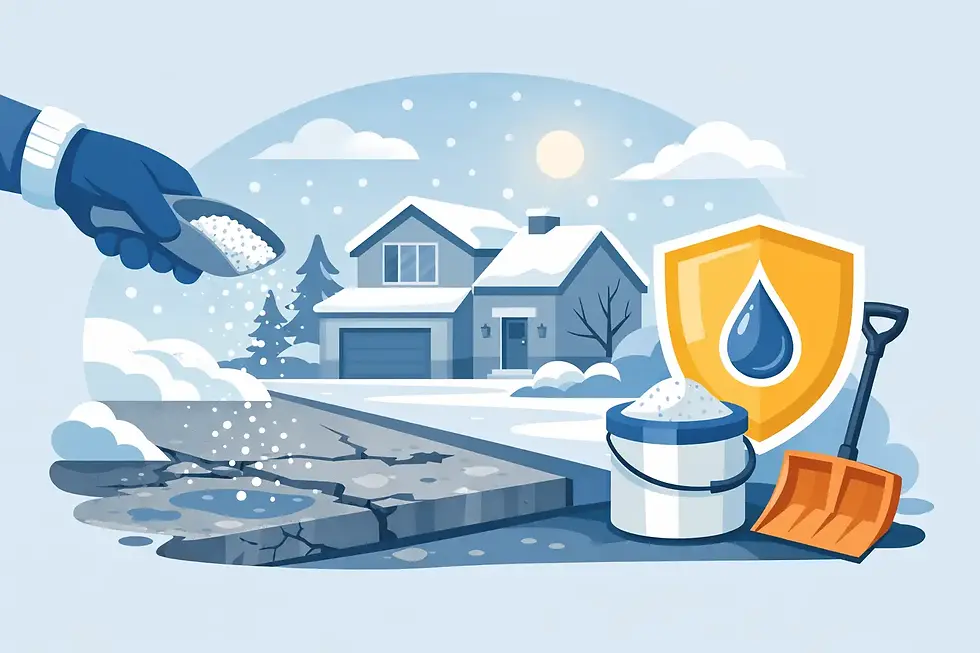
Winter maintenance also matters. Use tools carefully so metal shovel edges do not scrape aggressively across the asphalt. Salt and de-icing products should be used thoughtfully, particularly on older surfaces. A sealed driveway has added protection, but it still benefits from sensible care.
Choosing the Right Time to Seal
The ideal time is when the driveway is dry, repairable, and showing early signs of wear rather than major failure. Fading color, minor cracks, and a dry-looking surface are often signals that maintenance is due. Waiting until large cracks and potholes appear usually means the job will involve more than sealing.
Spring through early fall can offer good conditions, depending on the weather. In the GTA, homeowners often plan sealing after winter damage has been assessed and before another season of snow, rain, and freeze-thaw movement begins. Booking ahead can help you avoid the busiest periods and gives you time to complete necessary crack filling or patching first.
For more than 50 years, VR Pero Driveway Sealing has helped local property owners protect the surfaces they already own. The right approach is simple: inspect the driveway honestly, repair what needs repair, prepare the surface properly, and seal when conditions are right.
A dark, clean driveway is satisfying to see, but the lasting benefit comes from staying ahead of the damage. Deal with small cracks while they are still small, keep water moving away from the pavement, and treat sealing as regular upkeep rather than a last-minute fix.