
Does Concrete Sealer Prevent Stains? The Truth
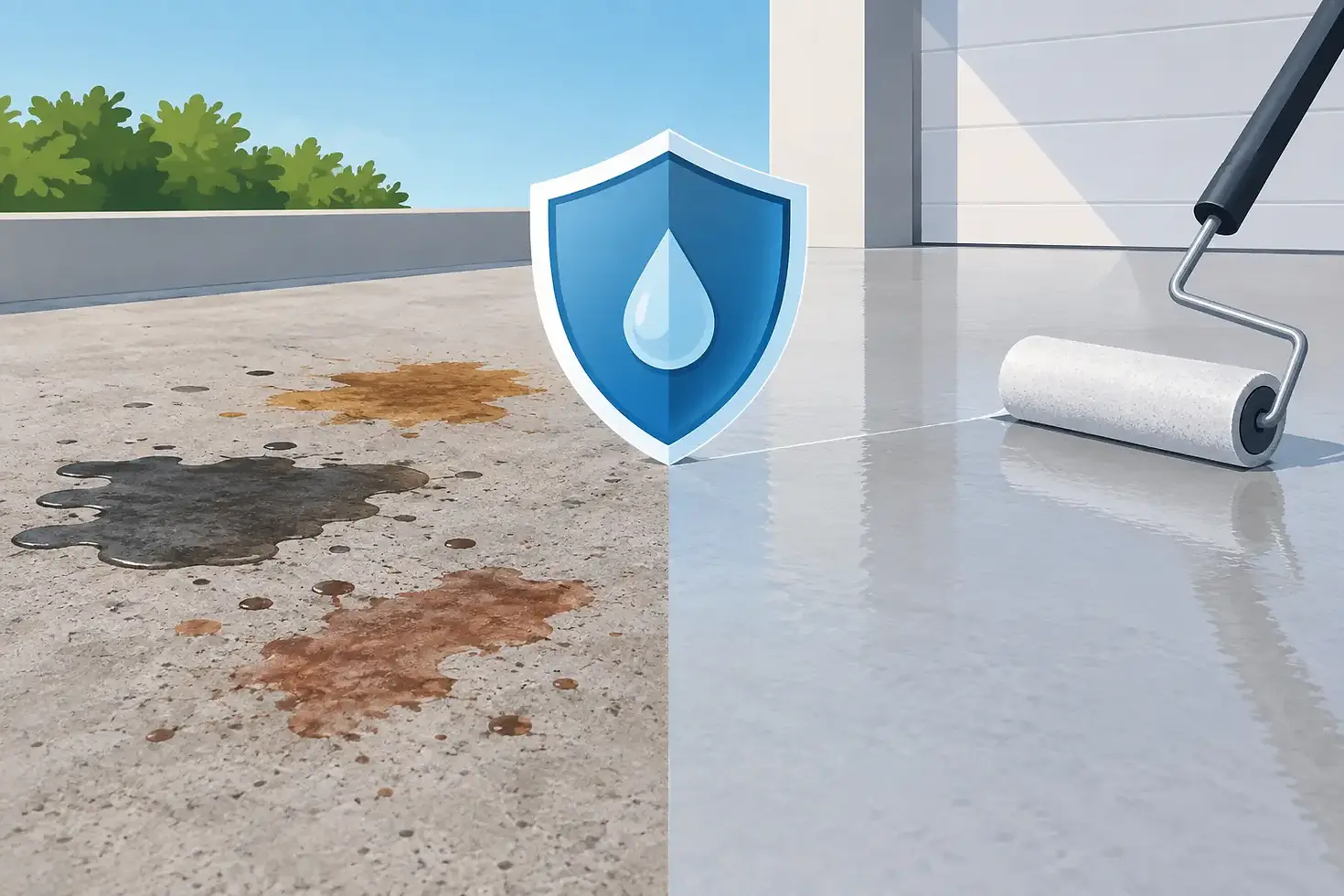
A concrete walkway can look nearly new one season and show dark oil spots, leaf marks, and barbecue grease the next. So, does concrete sealer prevent stains? In many cases, yes - but it does not make concrete stain-proof. A quality sealer slows down the way liquids and grime enter the surface, giving you a better chance to clean up a spill before it becomes permanent.
That difference matters on driveways, front steps, patios, garage floors, and pool decks. Concrete is naturally porous. Without protection, moisture and contaminants can work into tiny openings in the surface, where ordinary washing may not reach them. Sealing is practical preventative maintenance, especially where wet weather, road salt, vehicles, and regular foot traffic put exterior concrete to work.
Does Concrete Sealer Prevent Stains on Every Surface?
Concrete sealer helps prevent many common stains, but the result depends on the type of sealer, the condition of the concrete, and what caused the stain. Think of it as a protective barrier, not an invisible shield that eliminates maintenance.
A properly selected and applied sealer can reduce absorption from oil, grease, dirt, food spills, leaves, fertilizer, and other everyday contaminants. It can also help limit water penetration. Less water entering the concrete can mean less risk of freeze-thaw damage, surface scaling, and staining from dissolved minerals.
The biggest benefit is time. When a drink spills on a sealed patio or a vehicle leaves a fresh oil drip on a sealed driveway, the material is more likely to stay near the surface. You can remove it with the right cleaner before it settles deeply into the concrete.
Unsealed concrete reacts differently. It absorbs quickly, particularly if it is older, worn, or has been pressure washed many times. A spill that sits for an afternoon can become much harder to lift. On a busy driveway, that adds up to a dull, blotchy appearance that cleaning alone may not fully correct.
What a Sealer Can and Cannot Do
A good sealer helps with everyday exposure, but it has limits. Knowing those limits helps homeowners avoid disappointment and protect their investment properly.
Sealant is useful against fresh automotive fluid drips, cooking grease, muddy footprints, leaf tannins, and waterborne dirt. It can also reduce the impact of de-icing salts and winter moisture. For GTA property owners, that added water resistance is valuable through repeated wet, freezing, and thawing conditions.
However, no concrete sealer can guarantee that a stain will never occur. Strong chemicals, battery acid, rust, paint, dyes, and heavily used motor oil can still mark a sealed surface. A spill left unattended for days has more opportunity to penetrate, even through a protective coating. Hot tire pickup can also affect some film-forming products when the wrong sealer is used on a driveway.
Sealer also will not repair stains that are already deep in the concrete. If oil, rust, or organic discoloration is present before sealing, it should be treated first. Applying sealer over a stain may lock in the appearance or make later removal more difficult.
The Type of Sealer Makes a Difference
Not all concrete sealers work the same way. The right choice depends on the surface, its age, how it is used, and the finish you want.
Penetrating sealers soak below the surface and repel water and some contaminants while leaving the concrete looking fairly natural. They are often a practical option for exterior driveways, walkways, and patios because they do not create a thick surface film. They can provide good weather protection without making the concrete look glossy.
Acrylic sealers sit closer to the surface and can add color enhancement or a light sheen. They are commonly chosen for decorative concrete where appearance is a priority. They can offer stain resistance, but the coating may need more frequent maintenance in high-traffic areas.
Epoxy and polyurethane products create stronger surface films and are more common for protected spaces such as garages or certain commercial settings. They can offer excellent resistance to chemicals and oil, but they require careful surface preparation. They may also be too slippery or too rigid for some exposed exterior applications unless the product is designed specifically for that use.
The best answer is not always the shiniest finish or the strongest-sounding product. A driveway that sees sun, rain, snow, vehicles, and de-icing salt needs a sealer suited to exterior movement and weather. A patio around a barbecue may need a different approach than a garage floor where oil and tire marks are the main concern.
Preparation Determines How Well Stain Protection Works
Sealer performs best on clean, dry, sound concrete. This is where many do-it-yourself jobs fall short. If dust, algae, old coating residue, or contaminants remain on the surface, the sealer cannot bond or penetrate evenly.
Before sealing, the concrete should be inspected for cracks, scaling, flaking, and existing discoloration. Surface cleaning may include power washing, degreasing, or using a stain treatment suited to the contaminant. The concrete then needs enough drying time. Sealing a damp slab can lead to cloudy areas, poor adhesion, or trapped moisture.
Application conditions matter as well. Extreme heat can cause products to flash dry, while rain or low temperatures can interfere with curing. Applying too much product may leave a tacky or uneven finish. Applying too little may leave unprotected areas. Professional surface preparation is often the difference between a sealer that looks good for a season and protection that performs as intended.
How Long Does Concrete Sealer Last?
There is no single schedule for every property. A lightly used patio may stay protected longer than a driveway exposed to vehicles, sunlight, snow clearing, road salt, and regular washing.
As a general rule, exterior concrete should be checked each year and resealed when water no longer beads on the surface, the finish looks uneven, or the surface starts absorbing spills quickly. Penetrating sealers can last several years, while topical sealers may require attention sooner depending on wear.
Do not wait until the concrete looks badly stained to think about resealing. By that point, contaminants may already be entering the slab. Regular maintenance costs less and preserves a cleaner, more consistent appearance.
Simple Habits That Keep Sealed Concrete Cleaner
Sealing works best alongside prompt care. Wipe up oil, grease, food, and chemical spills as soon as possible. Rinse away fertilizer, soil, and leaf debris before they sit through rain. During winter, use a de-icing product appropriate for concrete and avoid repeatedly scraping the surface with aggressive metal edges.
For routine cleaning, use a mild concrete-safe cleaner and rinse thoroughly. Avoid treating every mark with harsh acids or strong solvents. The wrong product can damage the sealer, etch the concrete, or leave an even more noticeable patch behind.
If a stain remains after basic cleaning, address it before resealing. Oil stains may need a degreaser or poultice treatment, while rust and organic stains require different cleaners. Matching the treatment to the stain protects both the concrete and the sealer.
When Professional Concrete Sealing Is Worth It
A small, sheltered concrete area may be manageable for an experienced homeowner. Larger driveways, decorative concrete, heavily stained slabs, or surfaces with previous coatings deserve a closer assessment. The wrong product or rushed preparation can leave a patchy finish that is difficult to correct.
For homeowners who want dependable protection without guesswork, a qualified concrete sealing contractor can identify the surface condition, prepare it properly, and select a product that fits the location. At VR Pero Driveway Sealing, that practical approach is part of helping property owners protect the hard surfaces they rely on every day.
Concrete does not need to stay perfect to stay valuable. Keep spills from sitting, clean the surface with care, and renew its protection before weather and traffic have a chance to work their way in.


