
Asphalt Crumbling Causes and What to Do Next
- VR Pero Driveway Sealing
- Aug 1
- 5 min read
A driveway rarely starts crumbling all at once. It often begins at the edges, around a low spot where water sits, or beside an old crack that was left open through another winter. Understanding asphalt crumbling causes helps you act before a few loose stones become potholes, trip hazards, and a much larger repair bill.
For homeowners and small property managers, the goal is not to make an aging driveway look brand new forever. It is to identify what is damaging the surface, correct the underlying issue where possible, and choose the repair that makes financial sense.
What Asphalt Crumbling Actually Means
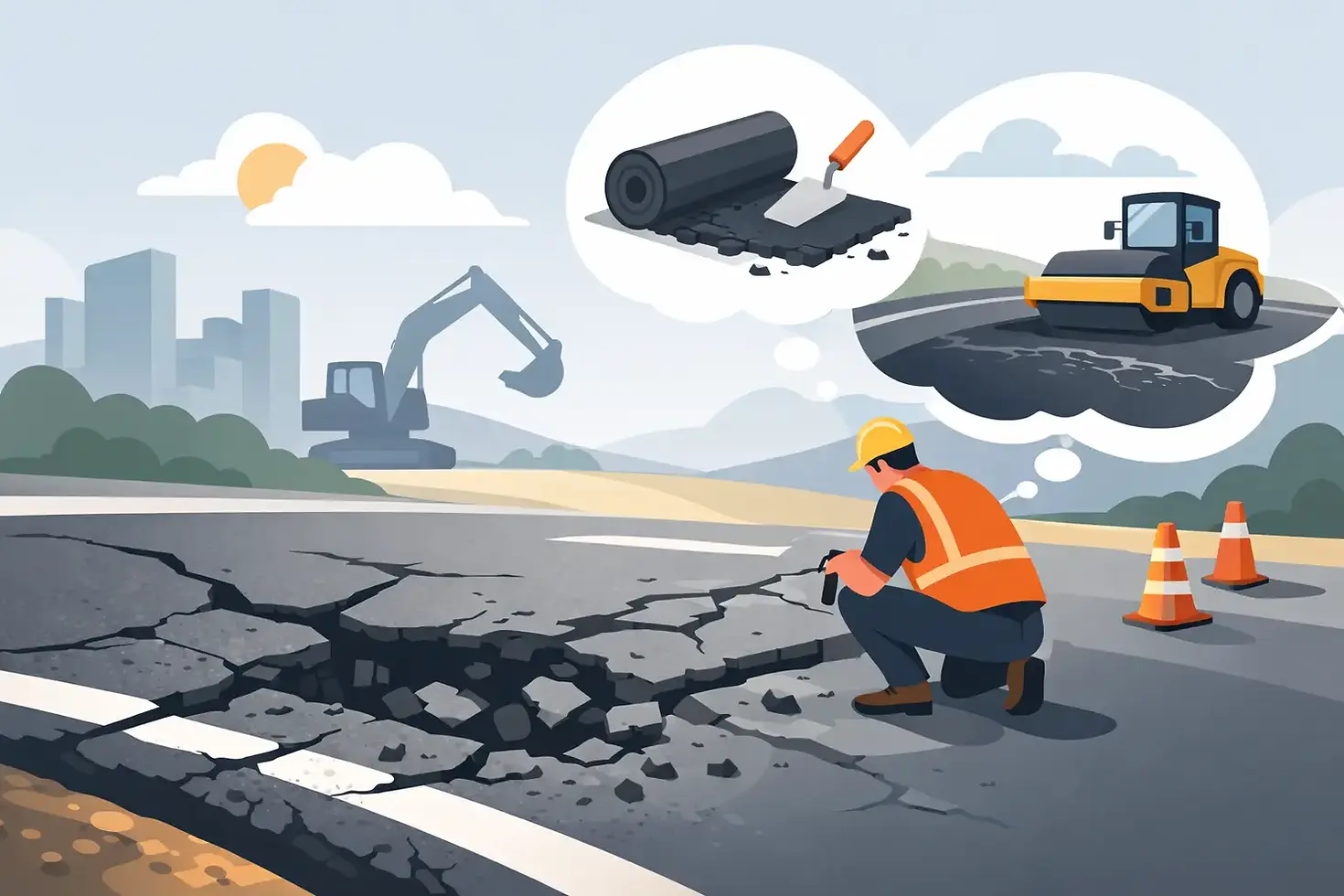
Crumbling asphalt is often called raveling. It happens when the asphalt binder that holds the aggregate together begins to fail, allowing the small stones in the pavement to loosen and break away. The surface may feel rough underfoot, look grainy or patchy, and leave loose gravel along the driveway edges.
Raveling is different from a single crack. A crack is a break in the pavement, while crumbling means the pavement surface itself is losing material. The two problems often appear together because open cracks allow water into the asphalt and base below.
The right repair depends on how deep the damage goes. Surface-level raveling may respond well to cleaning, crack repair, and sealing. If the asphalt is soft, uneven, heavily cracked, or breaking apart in multiple areas, the base may also be failing.
The Most Common Asphalt Crumbling Causes
Water getting below the surface
Water is one of the main reasons asphalt breaks down. Rain and melting snow enter through cracks, worn areas, and gaps along the driveway perimeter. Once water reaches the base material under the pavement, it can soften and shift that base. The asphalt above loses support and starts cracking, sinking, or crumbling.
Poor drainage makes this worse. Watch where water goes after a heavy rainfall. If puddles remain for hours, downspouts empty onto the driveway, or the grade directs runoff toward the garage, the pavement is being exposed to more water than it should handle.
Sealing can help protect an intact asphalt surface from moisture, but it cannot correct standing water or a failed base. Drainage should be addressed before cosmetic work is done, or the same damage may return quickly.
Freeze-thaw cycles
In the Greater Toronto Area, winter puts asphalt through repeated freeze-thaw cycles. Water enters a small crack, freezes, expands, and widens the opening. When temperatures rise, more water fills that larger gap. Over time, the asphalt loses its ability to stay bonded together.
This is why a crack that seems minor in fall can look much worse in spring. It is also why timely crack filling matters. Keeping water out of the pavement is one of the most practical ways to slow winter-related damage.
Oxidation and sun exposure
Asphalt contains oils that keep it flexible. Over the years, sunlight and oxygen dry out those oils. The surface becomes gray, brittle, and more likely to shed aggregate under vehicle traffic.
Oxidation is a normal part of asphalt aging, particularly on driveways that receive full sun. A properly applied sealcoat can help slow this process by creating a protective barrier against sun, moisture, and everyday wear. It works best when the asphalt is structurally sound and prepared correctly, not when the driveway is already breaking apart from below.
Traffic and turning stress
Passenger vehicles are not usually hard on a well-built residential driveway, but repeated traffic in the same areas can wear down aging asphalt. Tight turning movements, parking in the same spot, heavy delivery vehicles, trailers, and garbage trucks can all place extra pressure on the surface.
Driveway edges are especially vulnerable because they have less support than the center. Driving too close to the edge, parking with tires partly off the pavement, or allowing heavy equipment onto the driveway can crack and crumble those areas. Edge repairs may be needed before sealing, especially if the asphalt has begun to break away into the lawn or gravel border.
Oil, fuel, and chemical spills
Motor oil, gasoline, transmission fluid, and some household chemicals can soften asphalt binders. A fresh spill may leave a dark stain, but the larger concern is what happens if it remains on the pavement. Over time, the affected area can become soft, sticky, or crumbly.
Clean automotive spills as soon as possible with an appropriate absorbent and surface cleaner. Avoid aggressive solvents that may cause more damage. If the asphalt is already soft beneath the stain, the affected section may need to be cut out and patched rather than simply covered with sealer.
Poor installation or a weak base
Not every crumbling driveway is simply old. Asphalt needs a stable, properly compacted base and enough thickness for its intended use. If the base was poorly prepared, drainage was ignored, or the asphalt was installed too thin, deterioration can show up much earlier than expected.
Signs of deeper construction issues include widespread sinking, recurring potholes, major alligator cracking, and sections that move or feel soft. In these cases, a surface treatment alone is usually a short-term appearance fix. A contractor should assess whether localized base repair, patching, resurfacing, or full replacement is the better value.
How to Tell Whether Your Driveway Needs Repair or Replacement
A few rough patches do not automatically mean the whole driveway needs to be replaced. The condition of the surrounding asphalt matters.
If the pavement is mostly level and solid, with isolated cracks or small areas of surface raveling, crack filling and targeted patching may be enough. After repairs have cured and the surface is properly cleaned, sealing can help protect the remaining asphalt.
Replacement becomes more likely when crumbling is widespread, potholes keep returning, or the driveway has extensive alligator cracking. These interconnected cracks resemble reptile skin and usually indicate that the asphalt and base are no longer carrying vehicle weight properly. Resurfacing can be a good option when the base remains stable, but it will not solve a drainage or foundation problem underneath.
A practical inspection should include the edges, the area near the garage, low spots, and places where vehicles stop or turn. These locations usually reveal whether the problem is isolated wear or a broader failure.
Preventing Asphalt From Crumbling Further
The best maintenance plan is simple: keep water out, keep the surface clean, and repair small problems before they spread. Check your driveway in spring and fall for new cracks, loose aggregate, standing water, and edge damage.
Cracks should be cleaned and filled before winter whenever possible. Leaves, dirt, and weeds hold moisture against the pavement, so regular sweeping and cleaning are worthwhile. Keep downspouts directed away from the driveway, and avoid piling snow where melting water will flow into known cracks.
Sealing is most useful as a preventative service, not a cure for major structural deterioration. A quality sealcoat restores a darker appearance and adds a layer of protection, but it should be applied only after needed cracks and damaged areas are repaired. Applying sealer over loose, dirty, or failing asphalt does not create a lasting solution.
For older driveways, a professional assessment can save money by separating surface wear from base failure. An honest recommendation should explain what can be repaired now, what may need attention later, and whether a patch is likely to hold in that specific location.
When to Get a Professional Opinion
Call for an inspection when you see loose stones spreading across the driveway, potholes forming in the same place, soft asphalt, deep cracks, or water that repeatedly pools after rain. These are signs that the issue may be more than surface aging.
For properties in Mississauga, Brampton, Oakville, Milton, Georgetown, Etobicoke, Bolton, or Toronto, local weather and drainage conditions make early maintenance especially worthwhile. A family-run pavement maintenance team such as VR Pero Driveway Sealing can evaluate cracks, raveling, drainage concerns, and worn sections before recommending the appropriate next step.
A driveway does not need to be perfect to be protected. Addressing the first loose edges, open cracks, and water problems gives your pavement the best chance to stay safe, functional, and presentable for years to come.


